How to Assess Peek Mechanical Properties for Procurement?
Assessing PEEK mechanical properties is crucial for effective procurement in industries reliant on high-performance materials. PEEK, or polyether ether ketone, offers exceptional strength and thermal resistance. However, understanding its mechanical properties can be challenging. It is important to examine tensile strength, flexural modulus, and impact resistance to ensure the right material choice.
Many suppliers claim high-quality PEEK, but not all meet the same standards. Variations in manufacturing processes can lead to inconsistencies. Testing methods such as ASTM D638 can provide reliable data on PEEK mechanical properties. Recognizing the necessity of these tests is vital, as decisions based solely on supplier claims may lead to potential failures in application.
Furthermore, one must consider real-world applications. Mechanical properties can differ under varying conditions. For instance, temperature changes can affect performance. Being mindful of these factors will help in selecting the correct PEEK for your needs. Thus, thorough assessment is not just recommended; it is necessary for successful procurement.
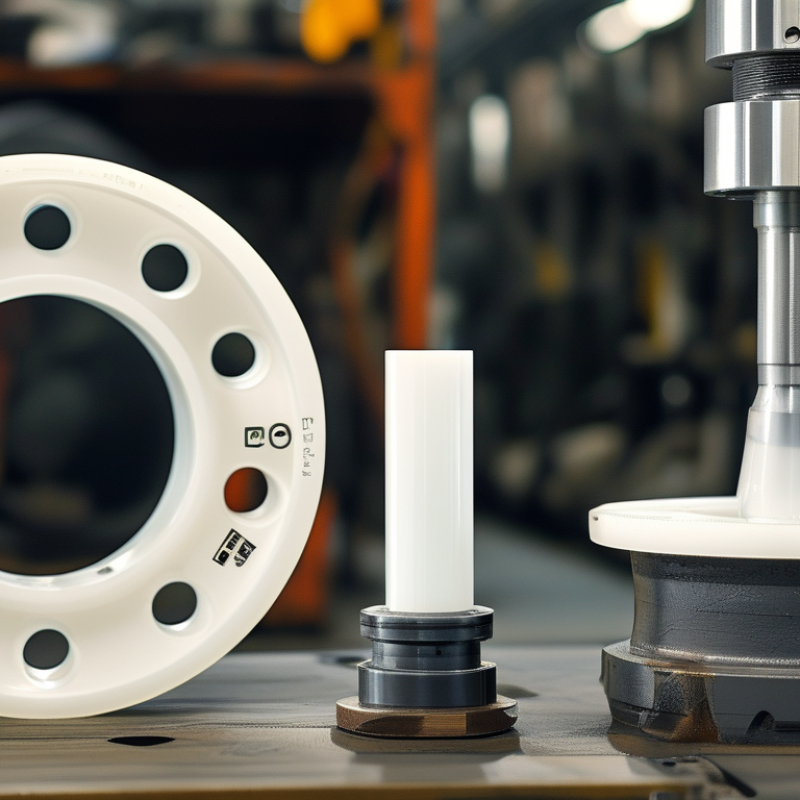
Understanding Peek Mechanical Properties for Procurement
Understanding the mechanical properties of PEEK (Polyether ether ketone) is crucial for procurement. PEEK is known for its exceptional strength and chemical resistance. According to a 2020 report by the American Society for Testing and Materials (ASTM), PEEK exhibits a tensile strength of around 90 MPa, making it suitable for high-performance applications. This strength-to-weight ratio is impressive, but potential buyers need to assess their specific requirements carefully.
Temperature can significantly influence PEEK's performance. It maintains good mechanical properties even at elevated temperatures, up to 250°C. However, some studies indicate that prolonged exposure can lead to degradation. Not all grades of PEEK provide the same level of performance. The choice of grade can result in different impact resistance and stiffness values. Therefore, understanding specific application conditions is essential to avoid costly procurement mistakes.
Likewise, not all suppliers may have the same quality control measures in place. Variability in production can lead to differences in density and crystallinity, which affect mechanical properties. This variability underscores the importance of rigorous supplier evaluations and material testing. Responding to diverse application needs requires careful consideration and sometimes rethinking conventional assumptions about PEEK’s properties. Evaluating mechanical properties must go beyond standard metrics to incorporate real-world conditions.
Assessment of Peek Mechanical Properties for Procurement
Key Mechanical Properties of Peek: An Overview
When evaluating the mechanical properties of PEEK (Polyether ether ketone), several key attributes stand out. PEEK is renowned for its excellent tensile strength, typically around 90 MPa at room temperature. This translates to high performance in demanding applications, such as in aerospace and automotive industries. Its flexural modulus, often exceeding 3 GPa, indicates strong resistance to deformation. Testing shows that, even at elevated temperatures, PEEK maintains its mechanical integrity.
Another important property is its impact resistance. PEEK demonstrates significant toughness, with Charpy notched impact values reaching 20 kJ/m² or more. This toughness is critical in environments where materials face sudden shocks or impacts. On the thermal side, PEEK boasts a continuous service temperature of 260°C, which allows it to perform under various heating conditions without losing functionality.
Beyond these measures, it’s essential to evaluate the material’s behavior in specific applications. For example, PEEK’s wear resistance can vary depending on the environment and load conditions. Some reports indicate that while PEEK performs excellently in friction tests, real-world applications may exhibit unexpected wear patterns. Thus, thorough testing and validation in the intended environment are crucial, even after initial evaluations suggest high performance.
Methods for Testing Mechanical Properties of Peek
When assessing the mechanical properties of PEEK, appropriate testing methods are crucial. Tensile strength is one of the key properties. It signifies how much stress PEEK can endure before failing. A common test for this is the ASTM D638 standard. Specimens are pulled until they break. This method is effective in determining the durability of PEEK under tension.
Another important property is flexural strength. This provides insight into how PEEK behaves under bending forces. The ASTM D790 is often used for this assessment. Samples are subjected to a bending moment. Observing the material's response helps engineers predict its performance in real-world applications.
Impact resistance is also significant. This tests how well PEEK can withstand sudden forces. The Charpy impact test is widely used. It's simple yet informative. Testing shows the toughness of PEEK, which isn’t always apparent in other evaluations. However, results can vary based on specimen preparation and environmental conditions. Understanding these nuances is essential for accurate procurement assessments.
How to Assess Peek Mechanical Properties for Procurement? - Methods for Testing Mechanical Properties of Peek
| Test Method |
Property Measured |
Typical Value |
Test Standard |
Notes |
| Tensile Testing |
Tensile Strength |
90-100 MPa |
ASTM D638 |
Commonly used for polymers |
| Flexural Testing |
Flexural Modulus |
3-4 GPa |
ASTM D790 |
Measures stiffness in bending |
| Hardness Testing |
Rockwell Hardness |
≥ R105 |
ASTM D785 |
Indicates surface resistance to indentation |
| Impact Testing |
Izod Impact Strength |
40-60 kJ/m² |
ASTM D256 |
Assess material toughness |
| Thermal Analysis |
Heat Deflection Temperature |
≥ 140 °C |
ASTM D648 |
Important for thermal stability |
Evaluating Supplier Compliance with Peek Standards
Evaluating supplier compliance with PEEK standards is crucial for procurement processes. PEEK, a high-performance thermoplastic, is widely used for its durability and resistance to extreme conditions. Understanding the mechanical properties of PEEK is essential for any application. However, not all suppliers follow the same standards, leading to variations in material quality.
When assessing suppliers, it’s important to examine their manufacturing processes. Look for certifications that confirm adherence to industry standards. This includes testing for tensile strength, flexural modulus, and impact resistance. Regular audits of supplier facilities can also shed light on their commitment to quality.
Communication is vital. Reach out to suppliers for documentation and test results. Ensure they provide transparent information on material specifications. Assessing the reliability of reports is also necessary, as discrepancies can occur. Gathering feedback from previous customers can offer insights into supplier performance. Ultimately, a thorough evaluation process fosters trust and ensures that the PEEK materials meet your specific requirements.
Making Informed Procurement Decisions for Peek Materials
When deciding on PEEK materials, comprehensive analysis is vital. Procurement officials should evaluate essential mechanical properties like tensile strength, impact resistance, and thermal stability. According to a report by Materials Performance, PEEK exhibits impressive tensile strength of up to 100 MPa, making it suitable for demanding applications. Its unique properties contribute to reliability in fields like aerospace and automotive.
Understanding the nuances of PEEK materials can uncover hidden advantages. Reports indicate that PEEK maintains its integrity at elevated temperatures, up to 260°C. However, acquiring high-grade PEEK can be costly, leading to potential budget constraints. Balancing cost with quality requires careful consideration. While PEEK offers outstanding performance, not all grades are equal. Some may not meet specific application requirements.
Testing and validation should be integral to the procurement process. Often, suppliers provide generic data that may not apply directly to specific end-use scenarios. Engaging materials engineers for detailed assessments can illuminate potential pitfalls. This approach ensures that decisions are not solely based on marketing claims but instead on empirical evidence. Uncovering these truths is essential for making informed procurement decisions.