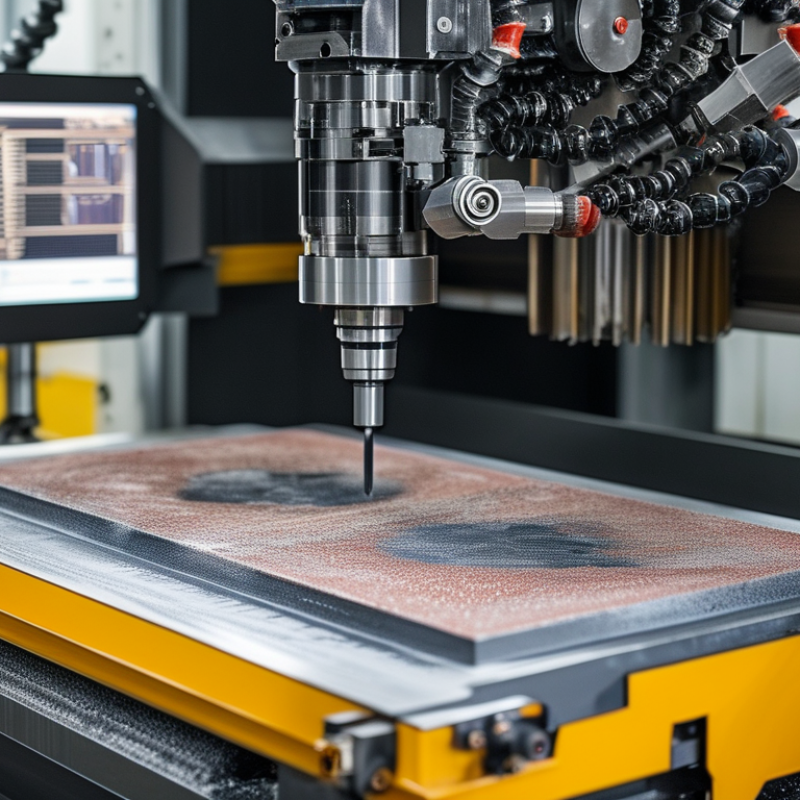
What is a Cnc Sandblasting Machine and How does it Work?
The Cnc Sandblasting Machine is an essential tool in modern manufacturing. It combines precision engineering with abrasive techniques to clean and finish surfaces. Understanding its mechanism can enhance efficiency in various industrial applications.
A Cnc Sandblasting Machine uses computer numerical control (CNC) to direct the flow of abrasive materials. This results in highly accurate and consistent outcomes. By automating the sandblasting process, it minimizes human error and improves safety in the workspace.
Despite its advanced technology, the machine requires regular maintenance and operator training. Neglecting these aspects can lead to inefficiencies or damages. As industries continue to evolve, adapting to the unique needs of each project remains a challenge. Exploring the functionalities and best practices for the Cnc Sandblasting Machine is crucial for anyone in the field.
What is a CNC Sandblasting Machine?
CNC sandblasting machines utilize computer numerical control technology to achieve precise and efficient surface treatment. These machines are designed to remove contaminants, rust, and old paint from various materials, including metals, plastics, and glass. According to industry data, the global market for sandblasting equipment is expected to grow by 5% annually, reflecting its importance in sectors like automotive, aerospace, and manufacturing.
The operation of a CNC sandblasting machine revolves around programmed instructions. An operator inputs specifications into the software, allowing the machine to perform repeatable and customizable surface treatments. The machine uses a high-pressure stream of abrasive material to create a smooth finish. A study revealed that using CNC technology can increase efficiency by 30%, minimizing human error while maximizing output quality. However, the dependence on technology raises concerns about skill gaps in manual sandblasting techniques.
Despite the advantages, the need for routine maintenance and proper operator training remains. Machines can malfunction or produce inconsistent results if not properly calibrated. Industry reports have shown that improper use accounts for a significant percentage of operational issues. This aspect emphasizes the balance between automation and skilled craftsmanship in achieving optimal results.
Key Components of a CNC Sandblasting Machine
CNC sandblasting machines are advanced tools used for surface preparation and finishing. They automate the sandblasting process for precision and efficiency. Understanding the key components of these machines can enhance your projects.
The primary components include the CNC controller, sandblasting nozzle, and the abrasive material feed system. The CNC controller directs the movement of the nozzle. It allows for intricate patterns and consistent results. The nozzle is adjustable, providing various spray widths for different applications. This feature ensures versatility in sandblasting tasks. Abrasive materials, like aluminum oxide or glass beads, determine the finish quality. Choosing the right material is crucial for achieving desired results.
Tips: Regular maintenance of the sandblasting nozzle can improve operational efficiency. Inspecting the feed system ensures a steady supply of abrasive materials. Additionally, calibrating the CNC controller helps maintain precision in your work. Pay attention to the settings and experiment with different materials. Not every combination will yield the best results, so refining your approach is important.
How CNC Technology Enhances Sandblasting Efficiency
CNC technology has revolutionized the sandblasting industry. With its precision and efficiency, it enables consistent results across various applications. According to a recent survey from the Sandblasting Association, businesses report a 30% increase in productivity when using CNC-driven sandblasting machines. This enhanced efficiency stems from automated processes that minimize human error.
One of the key benefits of CNC technology is its ability to manage complex designs with ease. Software integrations allow operators to input precise dimensions, ensuring that each sandblasting task is executed flawlessly. A study illustrated that companies utilizing CNC systems achieved an 80% reduction in setup times. This significant improvement allows for a smoother workflow and quicker project turnaround.
However, transitioning to CNC systems can pose challenges. Workers may require retraining to adapt to new technologies. Some operators express concerns about diminished craftsmanship. While CNC machines automate repetitive tasks, the unique skills of artisans remain invaluable. Balancing technology and traditional techniques is an ongoing conversation in the industry.
Applications of CNC Sandblasting in Various Industries
CNC sandblasting machines have diverse applications across various industries, making them indispensable tools in modern manufacturing. In the automotive sector, they prepare surfaces for painting and coating, ensuring better adhesion. Reports indicate that over 70% of automotive manufacturers utilize sandblasting for surface treatments. This technique enhances the lifespan of coated surfaces, ultimately improving vehicle durability.
In the aerospace industry, CNC sandblasting plays a crucial role in component maintenance. Researchers highlight that about 30% of aircraft maintenance involves cleaning and restoring metal parts using sandblasting. This method effectively removes contaminants while maintaining the integrity of components. Precision is vital here, as even the slightest error can jeopardize flight safety.
Metal fabrication also benefits significantly from CNC sandblasting. It provides a uniform finish on various metal types, contributing to their aesthetics and performance. However, industry experts note that improper use can lead to surface damage or uneven textures, prompting continual evaluation of techniques and processes. Adapting to new advancements in technology remains a challenge as firms strive for efficiency and quality.
What is a CNC Sandblasting Machine and How does it Work?
| Dimension | Description | Application Area | Benefits |
| Size | Available in various sizes for different applications | Manufacturing, Automotive | Versatility in operation |
| Material Compatibility | Compatible with various materials such as metal, glass, and plastic | Aerospace, Electronics | Precise surface treatment |
| Control System | CNC control for automated and precise operations | Metalworking, Construction | Increased efficiency and reduction in labor costs |
| Speed | High-speed operation compared to manual sandblasting | Mining, Restoration | Shorter processing times |
| Surface Finish | Provides a uniform and high-quality surface finish | Art, Architecture | Enhanced aesthetic appeal |
Understanding the Safety Measures in CNC Sandblasting Operations
CNC sandblasting operations require strict safety measures. The process involves high-pressure blasting of abrasive materials, which can generate dust and flying particles. Proper personal protective equipment (PPE) is essential. Workers should wear respirators, goggles, and heavy-duty gloves. These items protect against inhalation and abrasions.
Ventilation is another crucial aspect of safety. Sandblasting areas should have adequate airflow to disperse dust. Local exhaust systems can help reduce airborne particles. Regular maintenance of these systems is necessary to ensure effective function. Operators should undergo training to understand the risks and safe practices.
Despite precautions, accidents can occur. Ensuring that all equipment functions properly can minimize risks. Regular inspections of hoses and nozzles are vital. Operators should be mindful of their surroundings, maintaining a clear workspace. Reflecting on past incidents can provide insights for further improvements in safety protocols.