10 Essential Tips to Understand Peek CF30 Material Properties?
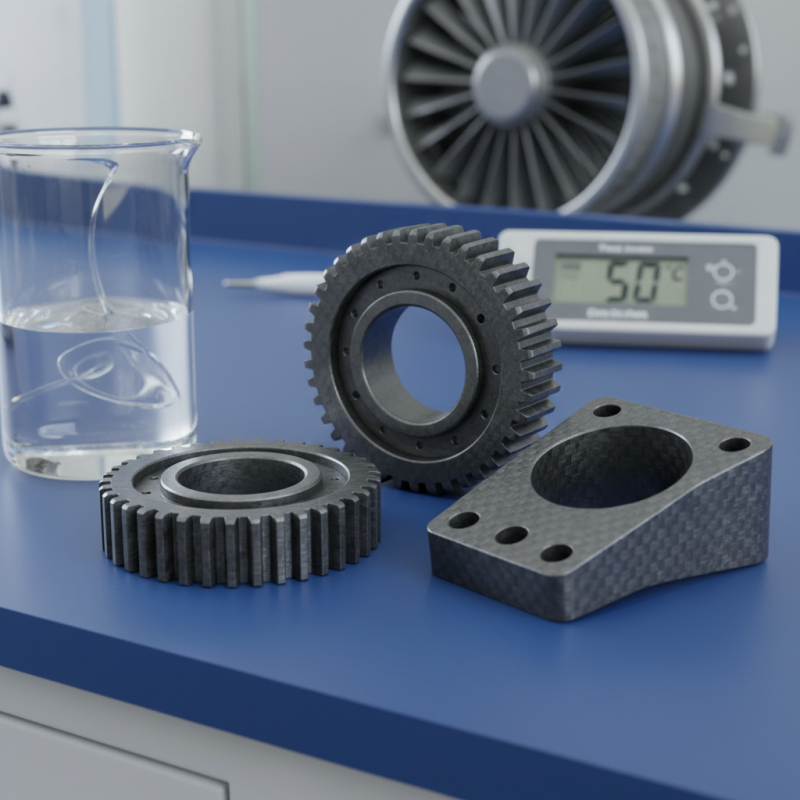
Understanding PEEK CF30 material properties is crucial for engineers and designers. This thermoplastic offers unique advantages. Its exceptional mechanical strength and chemical resistance make it a popular choice in demanding applications.
PEEK CF30 is infused with carbon fiber, which enhances its performance. This material can withstand high temperatures and harsh environments. Its lightweight nature is a key benefit. However, it is essential to grasp its limitations. For instance, while it is durable, it can be more expensive than other materials.
When working with PEEK CF30, attention to detail is vital. Consider temperature ranges and compatibility with other materials. It’s important to conduct thorough testing to ensure it meets your project needs. Misunderstanding these properties may lead to costly mistakes. Therefore, an in-depth knowledge of PEEK CF30 material properties is essential for successful applications.
Understanding the Basics of Peek CF30 Material
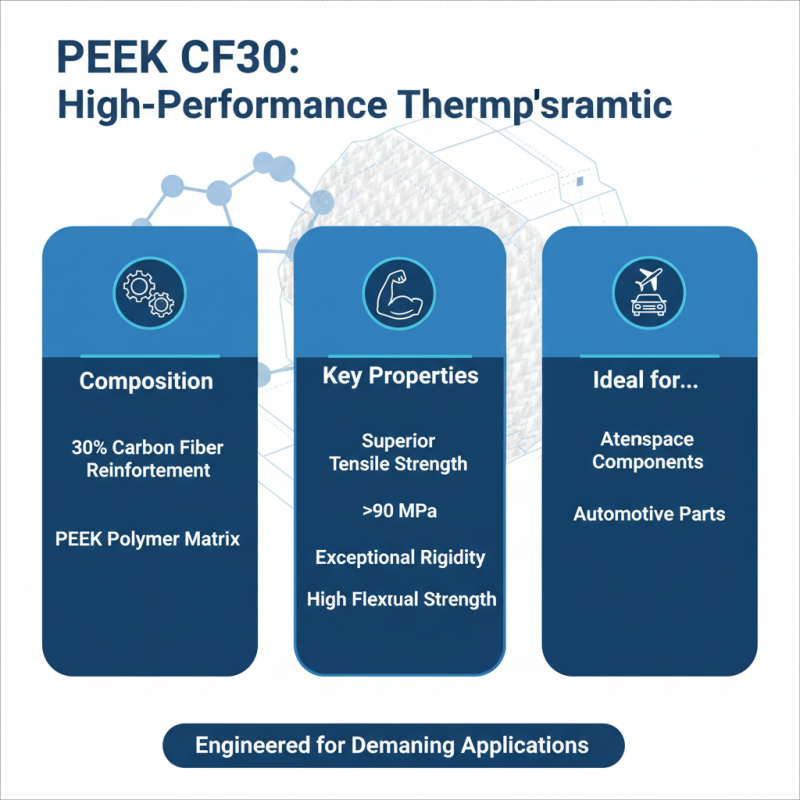
Peek CF30 material is a high-performance thermoplastic known for its excellent mechanical properties. This material contains 30% carbon fiber, enhancing its strength and rigidity. According to a report by the Plastics Industry Association, PEEK composites display superior tensile and flexural strength compared to traditional thermoplastics. The addition of carbon fibers leads to a tensile strength exceeding 90 MPa. This makes it suitable for demanding applications, especially in aerospace and automotive sectors.
Thermal stability is another significant characteristic of Peek CF30. The material can withstand continuous temperatures up to 260°C. A study published by the Journal of Polymer Science highlighted its low thermal expansion coefficient, which is crucial for precision parts. However, it’s essential to note that improper processing can lead to undesirable crystallization. This could adversely affect the material’s integrity.
Additionally, Peek CF30 shows remarkable chemical resistance, making it ideal for environments with harsh chemicals. Yet, users should consider the potential brittleness under certain conditions. Although it offers high performance, the complexity of machining requires careful planning. In some cases, this complexity may lead to higher production costs than simpler materials.
Key Mechanical Properties of Peek CF30
Peek CF30 is a high-performance thermoplastic known for its unique mechanical properties. Understanding these properties is essential for applications in demanding environments. The material exhibits excellent strength and stiffness. It can maintain performance under extreme temperatures. Its tensile strength reaches impressive levels, making it suitable for various industrial uses.
One of the notable aspects of Peek CF30 is its resistance to wear and abrasion. This property helps in applications where friction is a concern. However, it's vital to consider its limitations. While it excels in many areas, high humidity can affect its performance. Some users find that its processing requires careful attention. The temperature control during manufacturing is crucial; otherwise, the material can degrade.
When examining the mechanical properties of Peek CF30, one must also assess its thermal stability. The material remains stable at high temperatures, but prolonged exposure can lead to challenges. Its inherent toughness is beneficial, yet it may not be the ideal choice for all environments. Understanding these key properties allows for better decision-making in material selection and design processes.
Thermal Stability and Tolerance in Peek CF30
Understanding the thermal stability of PEEK CF30 is crucial for its applications. This material can withstand high temperatures without losing its structural integrity. It retains mechanical properties even when exposed to extreme heat. This is vital for industries requiring durability.
However, one must consider its tolerance levels. While PEEK CF30 is impressive, it is not invincible. The constant exposure to maximum heat can lead to degradation over time. Users should monitor performance regularly. Real-world conditions often differ from laboratory settings. This variation affects thermal performance significantly.
PEEK CF30’s capabilities offer many benefits. Yet, it is essential to address limitations. The cost of this material can be high. Sometimes, alternatives may provide sufficient properties without the premium price. Each application demands careful consideration of these factors. It's about finding the right balance between performance and practicality.
Understanding Peek CF30 Material Properties
Chemical Resistance and Its Importance for Peek CF30 Applications
Peek CF30 is increasingly valued for its chemical resistance in various applications. Understanding this property is crucial for industries utilizing this material, especially in harsh environments. Research indicates that Peek CF30 can withstand a variety of aggressive chemicals. According to a study by the American Society for Testing and Materials (ASTM), materials like Peek CF30 maintain structural integrity when exposed to solvents, acids, and bases.
Chemical resistance in Peek CF30 is particularly important in automotive and aerospace applications. These sectors often encounter challenging conditions. For instance, certain hydraulic fluids can degrade many plastics, but Peek CF30 shows exceptional retention of mechanical properties in these environments. Data from industry reports highlight that it can resist over 90% of commonly used industrial chemicals. This resilience is a significant advantage, but it’s essential to evaluate each application carefully.
However, there are still some limitations in its resistance profile. While Peek CF30 performs well against many substances, not all. For example, strong alkalis can affect its long-term performance. Users must thoroughly assess specific chemical interactions. Continuous research is needed to fully understand these constraints. This critical step aids engineers in making informed material choices, maximizing performance, and safety in applications.
Applications and Industries Utilizing Peek CF30 Material
Peek CF30 is a high-performance material known for its rigidity and thermal stability. This polymer finds applications in various industries. Its properties make it suitable for high-stress environments. In aerospace, for instance, components made from Peek CF30 can withstand extreme temperatures. They help enhance performance and reliability in critical systems.
The automotive industry also benefits from Peek CF30. It is often used in internal engine components. These parts require materials that can endure heat and friction. However, not all manufacturers fully understand the implications of using this material. Some overlook its cost-effectiveness compared to traditional metals. Additionally, its processing requires specific techniques that might pose challenges.
In the medical sector, Peek CF30 is utilized for surgical instruments and implants. Its biocompatibility makes it ideal for long-term usage. Yet, companies must not underestimate the complexity of working with this material. Proper training in handling and processing is essential. A misstep here can lead to failures in production. Understanding these nuances is vital before committing to its use in critical applications.