How to Source Peek Polymer for Your Business Needs?
When sourcing peek polymer for your business, it's essential to understand its unique properties and applications. PEEK, or polyether ether ketone, is a high-performance thermoplastic. This material offers excellent resistance to extreme temperatures, chemicals, and wear. Due to these qualities, PEEK is widely used in industries like aerospace, automotive, and medical.
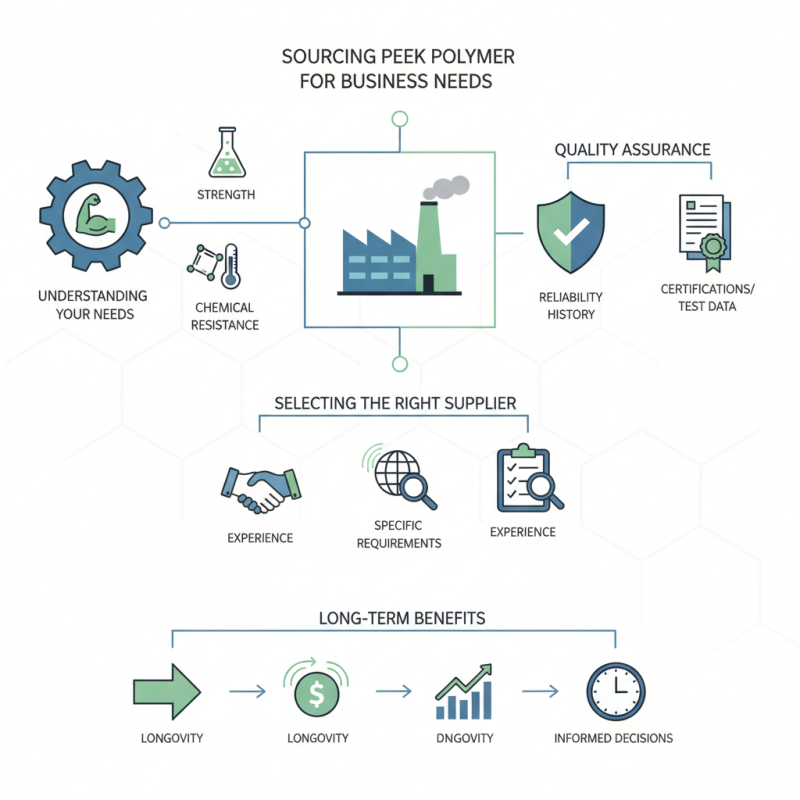
Understanding your needs is crucial. Are you focusing on strength, chemical resistance, or thermal stability? Different suppliers offer varying grades of peek polymer, each designed for specific uses. Establishing clear criteria will help you select the right supplier. Consider their experience in the market and their ability to meet your specific requirements.
Lastly, quality assurance is vital. Look for suppliers with a history of reliability. Request certifications or test data to verify material quality. It's not just about price; the longevity of your applications depends on the chosen PEEK polymer. Make informed decisions, and do not overlook the long-term benefits of partnering with the right source.
Understanding Peek Polymer and Its Applications in Industry
Peek polymer, a remarkable engineering thermoplastic, has gained traction across various industries. Its unique properties include high thermal resistance, excellent mechanical strength, and chemical stability. Manufacturing sectors utilize peek for components that face extreme conditions. Aerospace and automotive industries appreciate its lightweight nature and ability to endure high temperatures without degrading.
In the medical field, peek is becoming increasingly popular. Its biocompatibility allows for safe usage in implants and surgical instruments. However, sourcing quality peek polymer can be challenging. Many suppliers lack transparency in their manufacturing processes. This raises concerns about the reliability of the material. Companies must critically evaluate their sources to ensure they acquire high-grade peek suitable for their applications.
Additionally, peek’s applications extend into electronics. It serves as an insulator in high-performance devices. Yet, the need for precision in sourcing is paramount. Variations in quality can lead to performance issues. Proper research and supplier engagement are essential to address these risks. Companies must not overlook the importance of reliable partnerships in this journey.
Identifying Reliable Suppliers for Peek Polymer Materials
Finding a reliable supplier for Peek polymer can be challenging. Peek, with its exceptional strength and heat resistance, is essential for many industries. To begin your search, identify suppliers that specialize in high-performance polymers. Look for companies with a solid reputation and experience in the field. A well-established supplier often has a track record of delivering quality materials.
It's crucial to assess the certifications of these suppliers. Quality assurance processes can indicate their reliability. Request samples to evaluate material properties yourself. Does the sample meet your specifications? This step can reveal potential issues with consistency or quality. Engage with their customer support to gauge responsiveness. Prompt communication can indicate a reliable partner.
Consider checking reviews and testimonials from other businesses. Seek feedback from companies within your industry. Insights from others can highlight the strengths and weaknesses of potential suppliers. This research phase may take time, but it is vital for securing a dependable source of Peek polymer for your needs. Balancing quality and cost is also important. It may lead to some trade-offs that require consideration.
Evaluating Quality Standards and Certifications for Peek Products
When sourcing Peek polymer for your business needs, it's crucial to evaluate the quality standards and certifications. Peek materials should meet rigorous industry standards. Look for certifications such as ISO 9001, which indicates a quality management system in place. This guarantees consistency in production and reliability in performance.
Additionally, industry-specific certifications play an important role. For example, aerospace applications require compliance with AS9100 standards. This ensures that the Peek products can withstand extreme conditions. Consider also the environmental certifications like REACH and RoHS. These signify adherence to environmental regulations and help in identifying sustainable sourcing options.
While evaluating suppliers, the transparency of their processes is key. Some manufacturers may provide vague information regarding their quality control measures. This lack of clarity raises concerns. Aim to work with those who can offer detailed reports on testing and quality assurance. Engaging with reputable suppliers will enhance your confidence in the material. Don't ignore the impacts of subpar quality. It can compromise product performance and reliability, leading to potential failures. Make informed decisions that align with your business requirements.
Quality Standards and Certifications for PEEK Polymer
Comparing Costs and Logistics for Sourcing Peek Polymer
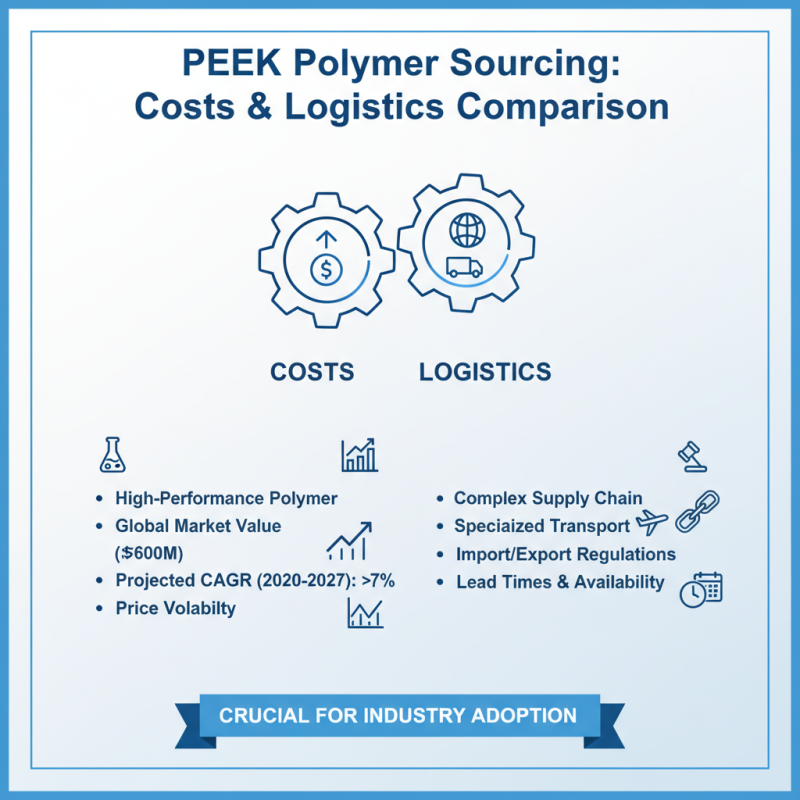
When sourcing PEEK polymer, understanding costs and logistics is crucial. PEEK, or polyether ether ketone, is a high-performance polymer that demands careful consideration. According to market research, the global PEEK market was valued at around $600 million in 2020 and is projected to grow at a CAGR of over 7% through 2027. This highlights its increasing adoption across various industries.
Logistics play a significant role in the overall cost structure. Shipping PEEK can be complex, especially if sourced internationally. Import duties, shipping timelines, and warehousing costs can escalate total expenses. Reports indicate that logistics can account for around 20-30% of the total product cost. Collaborating with reliable logistics providers can mitigate delays but may lead to higher upfront costs.
In evaluating suppliers, consider not just price but also delivery reliability and quality assurance. Some suppliers may offer low prices but compromise on quality. Industry surveys suggest that quality discrepancies can result in long-term costs that exceed initial savings. This reflection underlines the necessity of thorough supplier assessments. Investing in a trusted supplier relationship can lead to more stable operations.
Best Practices for Integrating Peek Polymer into Your Business Processes
Integrating Peek polymer into your business processes requires careful planning and execution. This high-performance material is known for its exceptional strength-to-weight ratio and thermal stability. According to a 2023 industry report by the Global Advanced Polymer Market, the use of Peek in aerospace and medical applications has increased by over 25% in the last two years. This surge highlights its growing importance and versatility.
When sourcing Peek polymer, ensure you collaborate with trusted suppliers. Seek those with quality certifications such as ISO or ASTM compliance. These standards guarantee the material meets necessary performance criteria. Evaluate suppliers based on their market reputation and customer feedback. A comprehensive supply chain assessment can enhance reliability and reduce potential issues in procurement.
**Tips:**
- Conduct regular reviews of supplier performance.
- Assess the material's compatibility with your processes.
- Consider the potential for recycling and sustainability.
The integration process itself can present challenges. Unexpected material behaviors in specific applications may arise. Companies need to be prepared to tweak their processes accordingly. Regular training for employees can help in adapting to these changes. In doing so, organizations can maximize the benefits of Peek polymer while minimizing risks.
How to Source Peek Polymer for Your Business Needs?
| Application |
Benefits |
Challenges |
Supplier Considerations |
| Aerospace Components |
High temperature resistance, lightweight |
Cost of materials and manufacturing complexity |
Certifications, reliability of supply |
| Medical Devices |
Biocompatibility, sterilization capabilities |
Regulatory compliance |
Quality assurance, experience in the medical field |
| Electronics |
Insulation properties, chemical resistance |
Thermal management |
Technical support, customization options |
| Automotive |
Lightweight, durability |
Integration with existing materials |
Sustainability practices, volume pricing |