Top 10 Treatment Plant Manufacturers for Global Buyers
Reliable water and wastewater infrastructure depends on more than a well-designed Treatment Plant. Buyers also need equipment that matches local water quality, operating conditions, and maintenance capacity. The need is substantial. The WHO/UNICEF Joint Monitoring Programme reported that 2.2 billion people lacked safely managed drinking water in 2022. Its 2023 update also estimated that 3.5 billion lacked safely managed sanitation. These figures make treatment capacity and dependable operation urgent priorities.
The manufacturers featured in this guide serve different project needs, from compact packaged systems to large municipal installations. Their capabilities should be assessed against practical details: design flow, influent variation, energy use, automation, spare-parts access, and after-sales support. A clear proposal should explain performance assumptions, not just list impressive specifications. The UN World Water Development Report 2024 also highlights how water security connects with public health, economic development, and cooperation. That broader context matters when comparing suppliers across regions.
A ranking cannot settle every case. A technically capable manufacturer may still be a poor fit if local service is slow or replacement parts are difficult to obtain. Buyers should verify references, operating records, and project-specific guarantees before committing. Small details count. A clogged screen, delayed pump, or unclear maintenance plan can affect an entire site. This overview introduces ten manufacturers for global buyers, while recognizing that the best choice depends on the project—not the label.
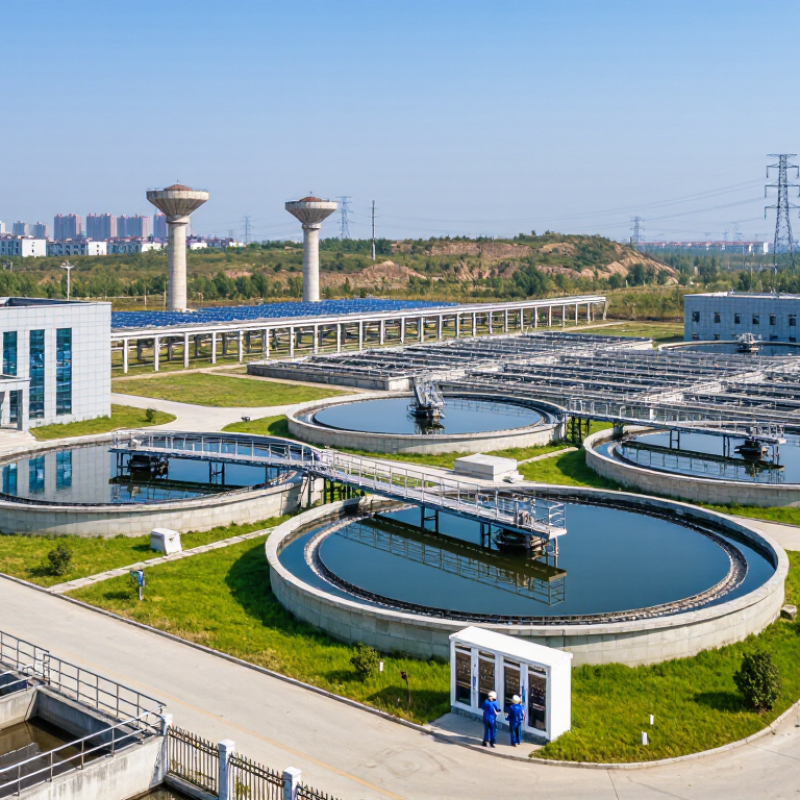
What Treatment Plant Manufacturers Design and Supply
Treatment plant manufacturers design systems around the water entering a site and the quality required at the outlet. Their work may cover screening, clarification, filtration, disinfection, and sludge handling. A small municipal project could include inlet screens, settling tanks, filter vessels, pumps, and chemical dosing equipment. Industrial facilities may need process-specific treatment, such as oil separation or membrane filtration.
They also supply the equipment that connects these stages: pipes, valves, blowers, instruments, control panels, and electrical components. Some plants arrive as modular skids or containerized units, which can simplify installation where space is limited. Design documents should explain capacity, expected operating conditions, utility needs, and maintenance access. Operators need usable instructions, not just a control screen full of unexplained alarms.
Details matter. A pump room needs enough clearance for maintenance, and chemical dosing lines need safe, practical access. Manufacturers may also provide installation guidance, commissioning support, spare-parts lists, and operator training. Still, a polished drawing can miss a site constraint; existing foundations or seasonal water changes may disrupt the plan. Buyers should compare proposals against real influent data and local operating skills. No design removes every uncertainty.
How Global Buyers Can Evaluate Manufacturers
Global buyers should evaluate treatment plant manufacturers through evidence, not polished brochures. Ask for process-flow diagrams, capacity data, and performance results from comparable installations. Check whether the proposed system fits local water quality, daily flow changes, and available operator skills. A plant designed for steady input may struggle when wastewater strength varies sharply. Request clear assumptions behind every quoted figure.
Tips: Ask for two or three client references. Confirm commissioning support, spare-parts availability, and operator training. Numbers need context.
Review the equipment list and maintenance schedule with your engineering team. Look for realistic access around pumps, screens, and dosing points; cramped layouts can make routine work slower. Compare lifecycle costs, including energy, consumables, and planned replacements, rather than purchase price alone. Visit an operating site when possible, and speak with staff who use the system daily. No checklist catches everything. Some project data may be incomplete, so record uncertainties and ask the manufacturer to explain them before comparing proposals. A careful evaluation also tests how openly a supplier handles limitations, not just how confidently it presents expected performance.
How Global Buyers Can Evaluate Treatment Plant Manufacturers
Compare proposed treatment performance with established benchmarks—not just equipment specifications.
Primary treatment typically removes about 25–40% of BOD₅ and 50–70% of total suspended solids (TSS). U.S. EPA secondary-treatment standards specify at least 85% removal for both. Ask manufacturers to document guaranteed performance against your influent conditions and local discharge requirements. Sources: U.S. EPA, 40 CFR Part 133; typical primary-treatment planning ranges.
Key Technologies and Services in Treatment Plant Solutions
Treatment plant solutions work best when process design matches the water source, discharge targets, and local operating conditions. A manufacturer should explain how screening, biological treatment, filtration, and disinfection fit together. Each step has a purpose. For example, fine screens protect downstream pumps, while aeration equipment supports biological treatment. Reliable proposals also state expected flow ranges, energy use, and maintenance intervals.
Automation can help operators track tank levels, dissolved oxygen, pressure, and flow from a control panel. Sensors are useful only when staff can calibrate and maintain them. A practical service package may include commissioning, operator training, spare-parts planning, and remote troubleshooting. Ask how the system responds to power interruptions or sudden changes in incoming water. These details matter on a difficult shift.
Sludge handling deserves equal attention. Dewatering equipment, storage space, and hauling arrangements affect daily workload and operating cost. For membrane systems, buyers should review cleaning procedures and replacement schedules, not just advertised output. Site visits and references can reveal how equipment performs after startup. Still, no design removes every operational headache; seasonal inflow changes and limited staffing can expose gaps that a polished process diagram misses. That is worth questioning before procurement.
Profiles of Ten Treatment Plant Manufacturers
Global buyers need more than a catalog when comparing treatment plant manufacturers. These ten profiles reflect different engineering strengths and operating needs. A municipal wastewater specialist may design for changing flows and strict discharge targets. A modular plant manufacturer can serve remote sites where space and installation time are limited. Membrane-focused suppliers offer compact filtration systems, but buyers should check replacement costs and cleaning requirements. Compact footprint matters.
Industrial wastewater manufacturers often tailor systems to variable chemical loads. Drinking-water specialists focus on filtration, disinfection, and stable output quality. Desalination suppliers address energy use and brine management, both important factors in coastal projects. Biological treatment manufacturers may suit facilities seeking lower chemical inputs, though performance depends on temperature and wastewater composition.
Other profiles include sludge-processing equipment makers, automation-focused suppliers, and fabricators offering integrated plant packages. Sludge systems can reduce hauling volume, but require careful attention to maintenance and odor control. Automation providers help operators track flow, pressure, and alarms; reliable sensors still need calibration. Integrated fabricators can simplify coordination between tanks, pumps, and controls. No supplier fits every site. A profile is only a starting point: buyers should verify references, local service capacity, and performance data for similar operating conditions.
Comparing Manufacturers by Region, Application, and Project Needs
Top 10 Treatment Plant Manufacturers for Global Buyers
Comparing Manufacturers by Region, Application, and Project Needs
A useful comparison starts with the site, not a league table. Regional manufacturers may offer shorter lead times, local service teams, and equipment suited to familiar climates. Buyers should check references for similar flow rates, influent quality, and discharge requirements. A plant serving a coastal hotel has different needs from one treating industrial process water. Ask for comparable operating data, not just design capacity.
Application changes the shortlist. Compact packaged systems can suit remote communities, while expanding cities may need modular plants that can handle rising flows. UN-Water’s 2024 Progress on Wastewater Treatment update reports that 42% of household wastewater was not safely treated in 2022. That gap makes dependable operation and maintenance essential, not optional. Compare energy use, sludge handling, spare-parts availability, and operator training. Request lifecycle costs alongside capital costs. These figures can be hard to compare, so check the assumptions carefully.
Tips: Share recent influent test results and seasonal flow data before requesting proposals. Ask each supplier to explain how the process responds to peak loads. Small detail, big impact. A polished proposal is not proof of reliable performance; independent references and clear guarantees matter.
