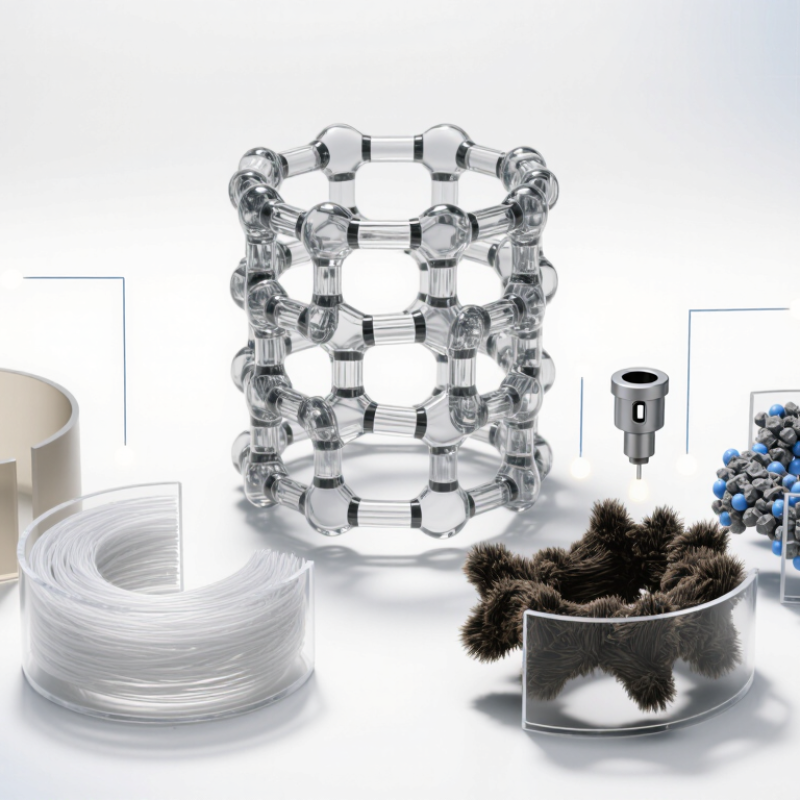
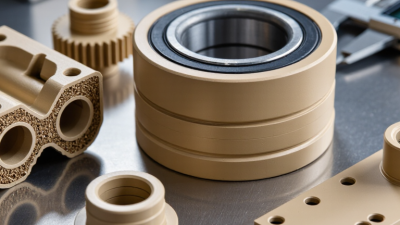
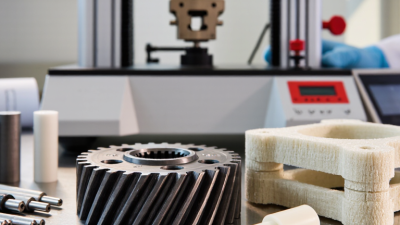
PEEK remains one of the most closely studied high-performance engineering plastics in 2026. Its name means polyether ether ketone, a semi-crystalline thermoplastic built from aromatic rings, ether linkages, and ketone groups. This molecular structure helps PEEK resist heat, chemicals, wear, and repeated mechanical stress. It also explains why engineers use it in aerospace brackets, medical components, pump parts, and electrical insulation.
Understanding peek material composition is essential before choosing a grade. Unfilled PEEK offers a strong balance of stiffness, toughness, and dimensional stability. Glass-fiber-reinforced PEEK can improve rigidity and reduce thermal expansion. Carbon-fiber grades often provide higher stiffness and better load performance. PTFE, graphite, or other additives may reduce friction and improve sliding behavior. Small formulation changes matter. They can affect machining, crystallinity, moisture behavior, and long-term performance.
A reliable comparison should examine more than tensile strength. Processing temperature, operating environment, part geometry, and certification requirements also influence the best choice. Real results may differ between suppliers, even when the resin family appears identical. That point is easy to overlook. Material datasheets provide valuable guidance, but laboratory testing and application experience remain important. This guide reviews the leading PEEK types for 2026 and explains what each composition contributes to practical performance. Some distinctions are clear. Others require careful testing.
PEEK, or polyether ether ketone, is a high-performance thermoplastic built from repeating aromatic rings, ether groups, and ketone groups. This structure gives it unusual strength, chemical resistance, and heat stability. It can operate near 250°C in continuous service, depending on grade, load, and design. That detail matters. A material may survive heat, yet fail under repeated stress.
In 2026, PEEK is important because engineers need lighter components that remain reliable in demanding environments. Grand View Research’s PEEK Market Size, Share & Trends Analysis reports strong market growth through 2030, with a projected compound annual growth rate near 9.5% from 2024. Estimates differ between reports, so the figure deserves caution. Market forecasts are not guarantees.
PEEK types include unfilled grades, glass-fiber-reinforced grades, carbon-fiber-reinforced grades, and wear-modified compounds. Unfilled PEEK suits precision parts with balanced strength and sliding performance. Glass fiber improves stiffness. Carbon fiber can reduce thermal expansion and increase load capacity. However, reinforcement may reduce ductility and complicate machining. In production, moisture control, molding temperature, cooling speed, and dimensional inspection all affect results. A technical review by the Society of Plastics Engineers highlights processing discipline as a major factor in high-performance polymer reliability. PEEK is powerful, but it is not automatically the best choice. Its cost, processing demands, and limited design forgiveness still require honest evaluation.
PEEK is a high-performance thermoplastic built around a stable aromatic backbone. Its repeating structure is written as [-C6H4-O-C6H4-CO-C6H4-]n. Ether groups add flexibility. Ketone groups improve stiffness and heat resistance. The polymer contains carbon, hydrogen, and oxygen, with no halogen in its basic structure. This distinction matters when comparing PEEK with other engineering plastics.
Industrial PEEK is commonly produced through nucleophilic aromatic substitution. The main raw materials are hydroquinone and 4,4'-difluorobenzophenone. Diphenyl sulfone may act as a high-temperature reaction medium. Controlled heating creates long polymer chains. Processing often occurs near 340–400°C, depending on grade and equipment. MarketsandMarkets reported continued growth in the high-performance polymers sector in 2024, driven by aerospace, medical, and semiconductor applications. Grand View Research also identified rising demand for heat-resistant materials. These reports support the market direction, but their forecasts use different assumptions. That limitation deserves attention.
Tips: Check the resin’s technical data sheet before selecting a grade. Confirm melt temperature, moisture control, filler content, and testing standards. Glass or carbon fiber can increase stiffness, but it may reduce impact performance. Do not treat all PEEK grades as identical. A common mistake is focusing only on temperature resistance. Real performance also depends on pressure, wear, chemicals, machining, and long-term loading. Practical testing remains necessary, even when published data looks convincing.
PEEK repeat-unit formula: C19H12O3, with a calculated molar mass of approximately 288.30 g/mol.
The polymer backbone contains aromatic rings connected by ether and ketone groups. Commercial PEEK is produced through step-growth nucleophilic aromatic substitution, commonly using hydroquinone and 4,4′-difluorobenzophenone, with an alkali carbonate such as potassium carbonate. The chart shows the theoretical elemental mass contribution of the ideal PEEK repeat unit; fillers, pigments, and processing additives are excluded.
PEEK is a high-performance thermoplastic built from aromatic rings, ketone groups, and ether linkages. These structures give it heat resistance, chemical stability, and strong mechanical performance. Its properties begin during polymerization, not during final machining.
Manufacturing starts with carefully purified chemical raw materials. Producers combine aromatic compounds through a controlled nucleophilic substitution reaction. The mixture is heated in a specialized solvent, often with an alkaline salt that supports chain formation. Temperature, pressure, moisture, and mixing speed require close monitoring. Small deviations can reduce molecular weight or create uneven material. The polymer then separates from the reaction mixture and undergoes washing, drying, and filtration. It is melted, cut into pellets, and tested for viscosity, moisture, and thermal behavior.
Pellets may remain unfilled or receive glass fibers, carbon fibers, lubricants, or mineral additives. Each formulation changes stiffness, wear resistance, and dimensional stability. Before injection molding or extrusion, the pellets must be dried thoroughly. Even limited moisture can cause processing defects. Manufacturers control melt temperature and cooling speed to manage crystallinity. Controlled annealing may follow machining, especially for thick components. This step reduces internal stress, although it cannot correct poor molding conditions. Real production is less perfect than laboratory data suggests. Batch records and repeated testing remain essential.
| Category | PEEK Type or Manufacturing Stage | Primary Composition or Process | Typical Properties or Operating Range | Common Applications |
|---|---|---|---|---|
| Main PEEK Material Types | ||||
| Polymer Type | Unfilled PEEK | Pure polyether ether ketone resin consisting of repeating aromatic ketone and ether groups in the polymer backbone. | Density is typically about 1.30 g/cm³; continuous-use temperature is commonly around 250 °C, depending on design and environment. | Electrical insulation, chemical-processing components, seals, bearings, and precision molded parts. |
| Reinforced Type | Glass-Fiber-Reinforced PEEK | PEEK matrix containing chopped or continuous glass fibers, commonly used to increase stiffness and dimensional stability. | Higher modulus and lower thermal expansion than unfilled PEEK; exact performance depends on fiber content and orientation. | Structural components, pump parts, valve bodies, and high-temperature housings. |
| Reinforced Type | Carbon-Fiber-Reinforced PEEK | PEEK matrix containing carbon fibers, which improve stiffness, strength, thermal conductivity, and resistance to creep. | Lower density than many glass-fiber grades and improved dimensional stability; properties vary with carbon-fiber loading. | Aerospace parts, lightweight mechanical components, medical instruments, and high-load bearings. |
| Tribological Type | Carbon-Fiber and Graphite-Modified PEEK | PEEK combined with carbon fiber, graphite, and sometimes other solid lubricating fillers to reduce friction and wear. | Improved sliding performance and wear resistance under dry or poorly lubricated conditions; mating-surface compatibility must be evaluated. | Thrust washers, seals, bushings, bearing cages, and wear rings. |
| Tribological Type | PTFE-Modified PEEK | PEEK containing polytetrafluoroethylene particles or a similar low-friction additive system. | Lower coefficient of friction than unfilled PEEK in many sliding applications, with some reduction in strength depending on formulation. | Dynamic seals, slide components, guide rings, and low-friction bushings. |
| Processing Type | Injection-Molding Grade | Pelletized PEEK formulated for melt processing through heated injection equipment. | Requires high melt-processing temperatures, commonly about 350–400 °C; mold temperature is often maintained at approximately 120–200 °C. | Complex net-shape parts, connectors, clips, gears, and repeat-production components. |
| Processing Type | Extrusion or Compression-Molding Grade | PEEK powder or pellets designed for profile extrusion, sheet production, compression molding, or semi-finished stock. | Suitable for tubes, rods, plates, films, and custom profiles; processing conditions depend on equipment, geometry, and molecular weight. | Machined stock shapes, tubing, electrical films, and large or thick components. |
| Specialty Form | Medical-Grade PEEK | PEEK manufactured under controlled conditions with documented purity, traceability, and biocompatibility requirements. | Radiolucent, chemically resistant, sterilization-compatible, and suitable for selected long-term implant applications when properly qualified. | Spinal cages, orthopedic components, surgical instruments, and implantable devices. |
| What PEEK Is Made Of | ||||
| Polymer Chemistry | Aromatic Polymer Backbone | PEEK is a semi-crystalline aromatic thermoplastic containing phenylene rings linked by ether and ketone groups. | The aromatic structure contributes to heat resistance, stiffness, chemical resistance, and dimensional stability. | High-temperature mechanical and chemical-service components. |
| Elemental Composition | Carbon, Hydrogen, and Oxygen | The repeating polymer unit contains carbon, hydrogen, and oxygen; commercial compounds may also contain fibers, pigments, or solid lubricants. | Unfilled PEEK has no intentionally added halogen in its basic polymer structure; additives change the final formulation. | Material selection, technical documentation, and formulation control. |
| Optional Additives | Reinforcements and Functional Fillers | Common additive categories include glass fiber, carbon fiber, graphite, mineral fillers, and low-friction modifiers. | Fillers can change strength, modulus, wear, thermal expansion, electrical behavior, density, and processability. | Tailored solutions for load, wear, electrical, and dimensional requirements. |
| PEEK Manufacturing Process: Step by Step | ||||
| Step 1 | Raw-Material Preparation | Aromatic dihalide and bisphenol-based reactants are purified, measured, and prepared for polymerization; reaction-grade solvents and alkali are selected. | Purity and stoichiometric control affect molecular weight, color, crystallinity, and final mechanical performance. | Controlled production of consistent polymer batches. |
| Step 2 | Polymerization | Reactants undergo nucleophilic aromatic substitution in a high-temperature solvent system, forming ether and ketone-linked polymer chains. | The reaction is typically conducted under controlled temperature, time, agitation, and atmosphere conditions. | Creation of the PEEK polymer backbone. |
| Step 3 | Polymer Chain Growth and Molecular-Weight Control | Reaction conditions and reactant balance are managed to achieve the required molecular weight and melt viscosity. | Higher molecular weight generally improves toughness and melt strength but may require more demanding processing. | Selection of grades for injection molding, extrusion, or machining stock. |
| Step 4 | Precipitation and Solid Recovery | The polymer is separated from the reaction mixture by cooling, precipitation, filtration, or related recovery operations. | Efficient recovery helps remove solvent, salts, and reaction by-products from the polymer. | Production of recovered PEEK powder or wet polymer cake. |
| Step 5 | Washing and Purification | The recovered polymer is washed repeatedly to reduce residual solvent, salts, catalyst-related species, and other impurities. | Cleanliness is especially important for electrical, medical, and high-purity applications. | Purified PEEK suitable for drying and compounding. |
| Step 6 | Drying | Moisture and volatile residues are removed using controlled thermal drying, often with circulating hot air or vacuum. | Drying reduces hydrolytic or processing-related defects and supports stable melt processing. | Consistent pelletizing and molding performance. |
| Step 7 | Compounding and Additive Incorporation | Base PEEK is melt-compounded with fibers, lubricants, pigments, or other approved additives when a modified grade is required. | Uniform dispersion and fiber orientation influence strength, wear, shrinkage, and anisotropy. | Reinforced, wear-resistant, conductive, or customized PEEK compounds. |
| Step 8 | Pelletizing or Powder Classification | The material is converted into pellets, fine powder, or a controlled particle-size distribution for the intended processing method. | Particle size and pellet geometry affect feeding, melting, powder-bed behavior, and throughput. | Injection molding, extrusion, compression molding, and additive manufacturing feedstock. |
| Step 9 | Forming and Consolidation | PEEK is heated above its melting range and shaped by injection molding, extrusion, compression molding, film processing, or another qualified method. | Typical melt-processing temperatures are approximately 350–400 °C; exact settings depend on grade and equipment. | Finished parts, films, tubes, sheets, rods, and profiles. |
| Step 10 | Cooling and Crystallization | The shaped material is cooled under controlled conditions; post-molding heating may be used to increase crystallinity. | Crystallinity affects stiffness, chemical resistance, wear, shrinkage, and dimensional stability. | Performance optimization for service temperature and mechanical load. |
| Step 11 | Machining and Finishing | Semi-finished PEEK stock may be turned, milled, drilled, cut, polished, or otherwise finished to produce close-tolerance components. | Tool geometry, cooling, chip control, and heat management help prevent deformation and surface damage. | Custom seals, precision rings, insulators, manifolds, and prototype parts. |
| Step 12 | Quality Testing and Release | Finished material or components may be evaluated for dimensions, density, moisture, melt behavior, crystallinity, mechanical properties, and chemical cleanliness. | Testing requirements depend on the grade, application, regulatory environment, and customer specification. | Batch consistency, application qualification, and documented material traceability. |
PEEK is a high-performance aromatic polymer built from benzene rings, ether linkages, and ketone groups. This structure gives it unusual heat resistance and mechanical stability. ISO 11357 testing data typically places its glass-transition temperature near 143°C and melting temperature near 343°C. It is not simply “plastic.” Processing demands controlled heat, clean tooling, and careful drying.
The main type is unfilled PEEK resin. It suits machined parts, seals, laboratory components, and electrically insulating applications. Glass-fiber-reinforced grades improve stiffness and dimensional stability. Carbon-fiber grades usually provide higher strength, lower thermal expansion, and better wear behavior. PTFE or graphite-filled grades can reduce friction in sliding components. Conductive grades also exist, but their electrical performance depends strongly on filler content and processing history.
Grade selection Grade selection often follows viscosity, reinforcement, and operating conditions. Low-viscosity grades flow more easily into thin sections. High-viscosity grades can support stronger structural parts. A 2024 industry market assessment estimated global PEEK demand at roughly 12,000–15,000 metric tons annually, with continued growth driven by aerospace, medical, energy, and semiconductor equipment. However, market forecasts vary widely. That matters. A grade described as “high temperature” may still deform under constant load. Engineers should compare creep, wear, moisture exposure, and testing conditions, not only headline temperature data. Small design details remain decisive.
PEEK is an aromatic engineering polymer made from carbon, hydrogen, and oxygen. Its backbone contains ketone and ether groups, creating strong heat, chemical, and wear resistance. The main types include unfilled PEEK, glass-fiber reinforced PEEK, carbon-fiber reinforced PEEK, and bearing-grade compounds with solid lubricants. Each formulation changes stiffness, friction, dimensional stability, or electrical behavior.
Choose unfilled PEEK when low weight, high purity, and balanced mechanical performance matter. It suits precision seals, electrical parts, and components with moderate loads. Glass fiber improves stiffness and reduces expansion, making it useful for housings and structural guides. Carbon fiber offers better strength, heat transfer, and dimensional control under heavier loads. For sliding parts, a lubricant-filled grade can reduce friction and limit wear. Fit matters more.
Application conditions should guide the final decision. Check temperature, load, sliding speed, chemicals, moisture, and required tolerances. A pump seal may need chemical resistance, while a bearing needs stable friction under pressure. Medical or food-contact parts require traceable compliance documentation, not assumptions based on the word “PEEK.” Processing also matters. Proper drying and controlled molding reduce defects, although even experienced teams can miss a design weakness during early testing. Test the actual geometry whenever possible. A material chart cannot fully predict real service behavior.