What Is PEEK Material and What Are Its Key Characteristics?
PEEK, or polyether ether ketone, is a high-performance thermoplastic used where ordinary plastics may soften, wear, or fail. It can withstand demanding heat, pressure, friction, and chemical exposure. Engineers often select it for aerospace brackets, medical components, pump parts, seals, and electrical insulation.
Polymer researcher Dr. J. P. Jog has described PEEK in practical terms: “PEEK combines thermal stability, chemical resistance, and mechanical strength in one engineering polymer.” That combination explains its reputation, but it does not make PEEK universally suitable. Material selection still depends on load, temperature, moisture, machining method, and total cost.
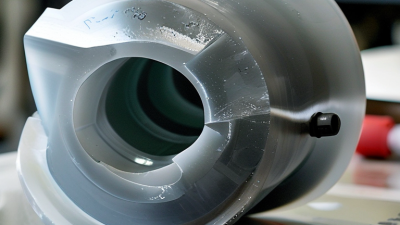
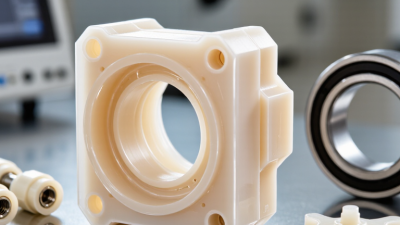
The key peek characteristics include high continuous-use temperature, strong dimensional stability, low moisture absorption, and excellent resistance to many aggressive chemicals. Its natural grade can also perform well under sliding contact, especially when the design controls heat and pressure. Look closely at a machined PEEK bearing, and its smooth surface reveals why tolerances matter.
But PEEK is not magic. It can be expensive, difficult to process, and sensitive to incorrect molding conditions. Some grades need reinforcement with carbon fiber, glass fiber, or solid lubricants. Those additions can improve stiffness or wear resistance, yet they may reduce toughness or increase tool wear.
This guide examines PEEK material from an engineering perspective. It connects laboratory data with real manufacturing decisions. The less comfortable truth is simple: published values are useful, but actual performance depends on geometry, environment, and workmanship. Expect a capable material, not an effortless solution.
PEEK Material: Definition and Chemical Composition
What Is PEEK Material and What Are Its Key Characteristics?
PEEK Material: Definition and Chemical Composition
PEEK means polyether ether ketone. It is a high-performance, semi-crystalline thermoplastic polymer. Its repeating structure contains aromatic rings, ether linkages, and ketone groups. These chemical features create a rigid molecular backbone. They also explain its strength, heat resistance, and chemical stability.
The repeating unit is commonly represented as (C19H12O3)n. This formula describes the polymer structure, not every processing additive or composite grade. PEEK typically has a glass transition temperature near 143°C and a melting temperature around 343°C. Those values can vary slightly with crystallinity and testing conditions. That detail matters.
In practical engineering work, PEEK resists many oils, fuels, solvents, and cleaning chemicals. It absorbs little moisture compared with many engineering plastics. It also performs reliably under repeated heat exposure and mechanical stress. However, it is not universally resistant. Strong acids, concentrated bases, and high temperatures can still damage it. Chemical compatibility should be checked against real exposure time, pressure, and temperature.
Its semi-crystalline structure allows useful dimensional stability and wear performance. Slow cooling can increase crystallinity, while rapid cooling may produce a less crystalline part. Processing is demanding because the melt temperature is high. Poor mold control can cause warping or internal stress. PEEK is powerful, but not effortless. Engineers should review the exact grade, reinforcement, manufacturing method, and test data before selecting it.
How PEEK Is Manufactured and Processed
PEEK is a high-performance thermoplastic known for strength, chemical resistance, and stable performance at elevated temperatures.
Its structure contains aromatic rings, ether groups, and ketone groups. These bonds help the material resist wear, fatigue, and many aggressive fluids. It is also naturally flame resistant, although final performance depends on grade, design, and processing conditions. PEEK is not automatically the best choice. Cost, machining time, and moisture control can affect the decision.
PEEK is manufactured through controlled polymerization, then formed into pellets, rods, sheets, or fine powders. Before molding, the pellets usually require thorough drying. Even limited moisture can create bubbles, surface marks, or reduced mechanical strength. In injection molding, the melt temperature is commonly kept near 343°C or higher. The mold must also remain hot enough to support proper crystallization. Too little heat may produce weak, uneven parts. Too much residence time can damage the polymer.
Extrusion and compression molding are useful for larger profiles and semi-finished stock. Machining is often performed after cooling, using rigid tools and careful chip removal. Annealing can reduce internal stress, especially in thick components. In practical production, dimensional checks should continue after molding because shrinkage is not always uniform. This is where experience matters. Processing guides are valuable, but real tooling, wall thickness, and cooling rates may require adjustment. Mistakes can still happen. That is why test runs and documented inspection remain essential for reliable PEEK components.
Key Physical, Mechanical, and Thermal Characteristics
PEEK is a high-performance thermoplastic valued for its stable physical, mechanical, and thermal behavior. Its density is about 1.30 g/cm³, giving it a useful strength-to-weight balance. It also resists moisture absorption better than many engineering plastics. However, published values vary with grade, processing method, and crystallinity. That detail matters in real applications.
Unfilled PEEK commonly shows tensile strength near 90–100 MPa and a tensile modulus around 3.5–4.0 GPa. It maintains useful stiffness under repeated loading, although sharp notches can still encourage stress concentration. Its glass transition temperature is approximately 143°C, while its melting point is near 343°C. Continuous service temperatures around 250°C are often achievable, but exposure time, load, and airflow change the result. Heat resistance is not unlimited.
Tips: Check the supplier’s tested data, not only a general datasheet. Measure parts after machining because thermal expansion can affect tight tolerances. For demanding assemblies, test wear, creep, and dimensional stability under actual temperature cycles. A small prototype often reveals issues that calculations miss. Truthfully, PEEK is powerful, but it is not automatically the best choice for every design.
Common Applications and Material Selection Considerations
PEEK is a high-performance engineering plastic valued for strength, heat resistance, and chemical stability. It keeps useful mechanical properties near 250°C in suitable conditions. Its low moisture absorption supports precise parts in demanding environments. However, PEEK is not automatically the best choice.
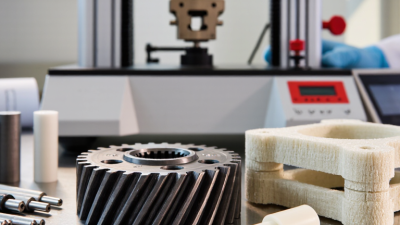
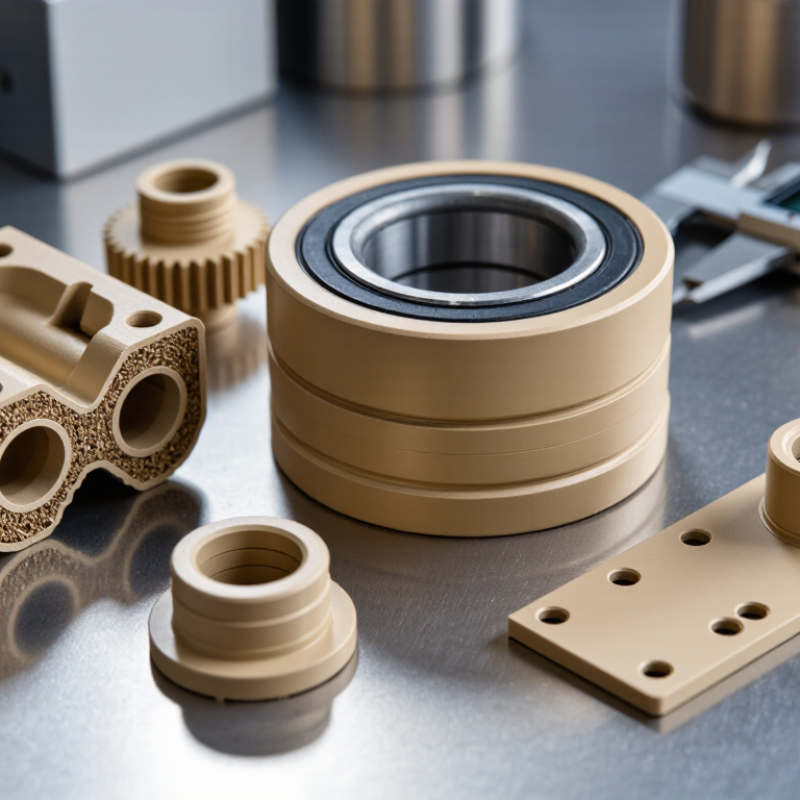
Common applications include pump components, valve seats, electrical insulators, bearings, and medical instrument parts. In aerospace systems, its low weight can reduce assembly mass. In chemical equipment, it can resist many solvents and repeated cleaning cycles. It also performs well in sliding contact applications. Friction still depends on load, speed, surface finish, and lubrication.
Material selection should begin with the actual service conditions. Check temperature peaks, pressure, chemicals, wear, and sterilization requirements. A brief exposure test may miss long-term cracking or swelling. For tight-tolerance parts, consider thermal expansion and machining behavior. Filled grades can improve stiffness or wear resistance, but they may reduce toughness or affect mating surfaces. Cost deserves attention too. PEEK can be expensive, especially when extensive machining creates waste. A qualified engineer should compare test data with real operating conditions, not just datasheet values. Small design changes may reveal a cheaper material with adequate performance. That possibility deserves honest consideration.
What Is PEEK Material and What Are Its Key Characteristics?
PEEK is a high-performance semicrystalline engineering thermoplastic known for its high temperature resistance, mechanical strength, wear resistance, dimensional stability, and broad chemical resistance. The chart shows representative thermal benchmarks for unfilled PEEK: glass transition temperature, continuous-use temperature, and melting temperature. Actual values vary by grade, reinforcement, processing method, and operating environment.
PEEK is commonly selected for aerospace, automotive, semiconductor, medical, chemical-processing, and high-wear components where conventional plastics cannot provide sufficient heat, chemical, or mechanical performance.